
OUR PHILOSOPHY OF PRACTICE
The Decalogue
- Architects design the physical world — but that is far from all they do. An architect is a provocateur, a negotiator, a maker of difficult compromises. A serious professional who sees problems as opportunities, and who knows that being right is never quite as possible as being thoughtful.
- At ISArch, the following ten shape how we approach the education of the contemporary architect.
01 Sense and feel space
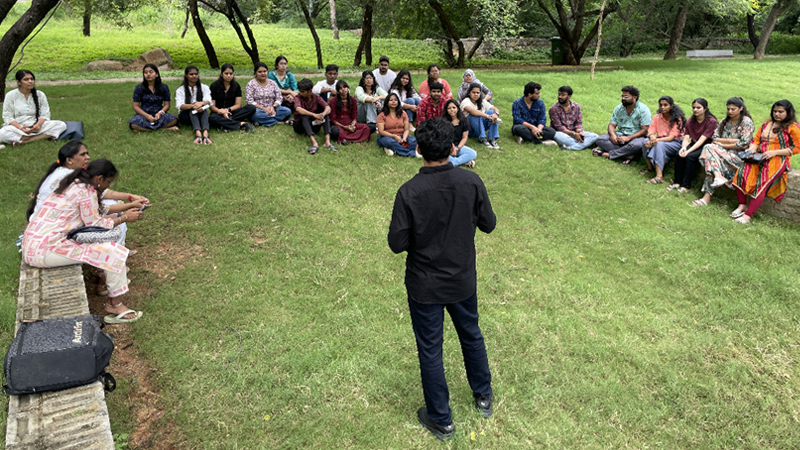
Architecture begins in the body. Becoming conscious of one's own psychological and physical responses to an environment is the first step — as Michael Sorkin put it, "the feel of cool marble under bare feet" comes before everything else.
02 Ask better questions
Problematic solutions are often the product of incorrect questions. At ISArch, emphasis is placed on the careful formulation of the design problem — before any solution is pursued. Design and planning begin with asking the right thing.

03 Method and imagination together
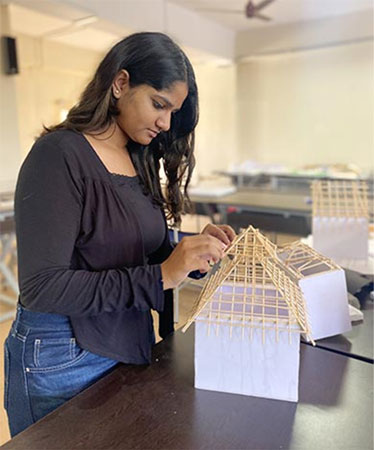
Programmatic thinking — structured, methodical — and analogous thinking — intuitive, sensory — must operate simultaneously. ISArch trains students to hold both at once, because architectural creation demands both rigour and creative instinct in the same breath.
04 History as a living resource
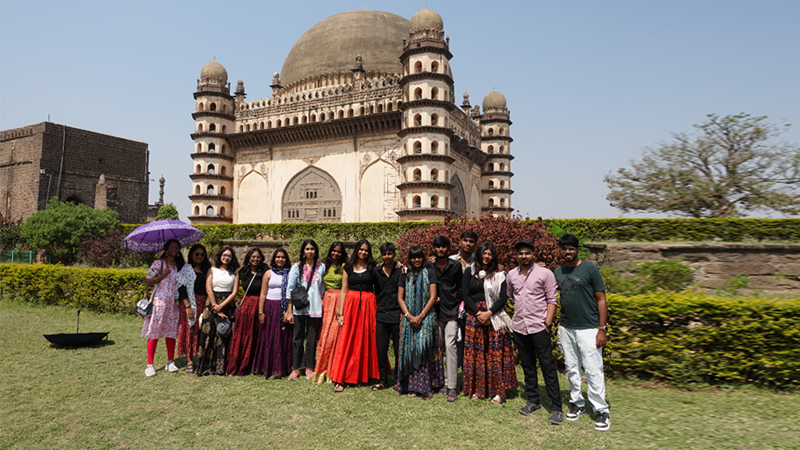
A student must be grounded in history — not as a memorised catalogue of facts, but as a living repository of ideas, motivations, and concepts. The past is not background; it is an active tool in the architect's hands.
05 Design with conscious impact
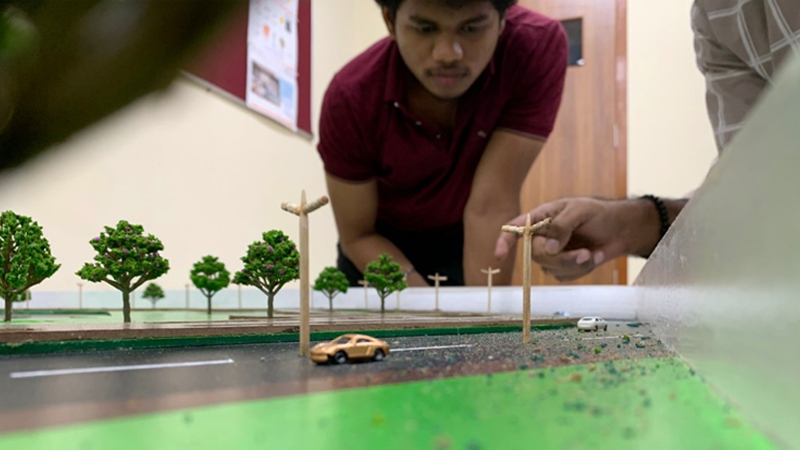
Every design choice carries weight — environmental, economic, tectonic, and socio-psychological. Students must learn to assess that weight with both quantifiable rigour and methodical sensitivity, and to defend their choices accordingly.
06 Digital dexterity
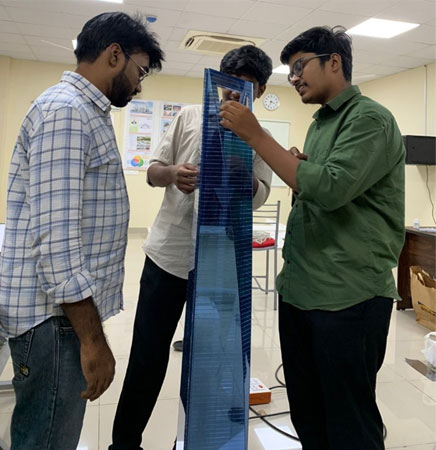
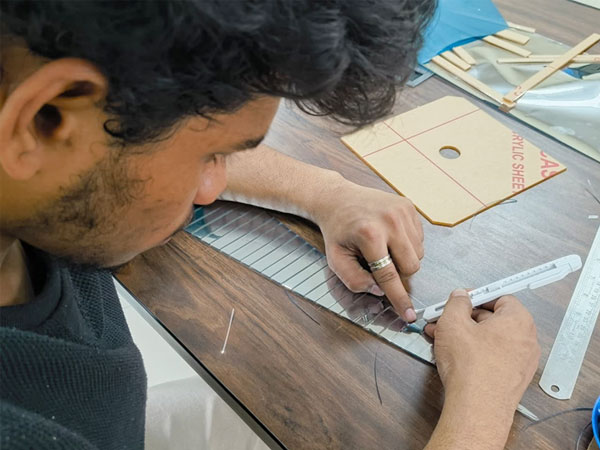
Technology updates relentlessly. The architect of today must not merely keep pace — they must discover novel ways of spatial modelling, representation, and productivity. Flexibility and adaptability are now as essential as drawing ability.
07 Cultivate critical force
An architect without critical thinking is a mere technician. ISArch cultivates the ability to make sense of the environment through introspection, observation, research, and play — building a student's capacity to reason, question, and push back.
08 Academia, industry, and praxis in dialogue
The studio at ISArch holds creative expression and professional reality in productive tension. Students learn the workings of the industry they will enter — without surrendering the idealism that makes architecture worth practising.
09 Learn to learn
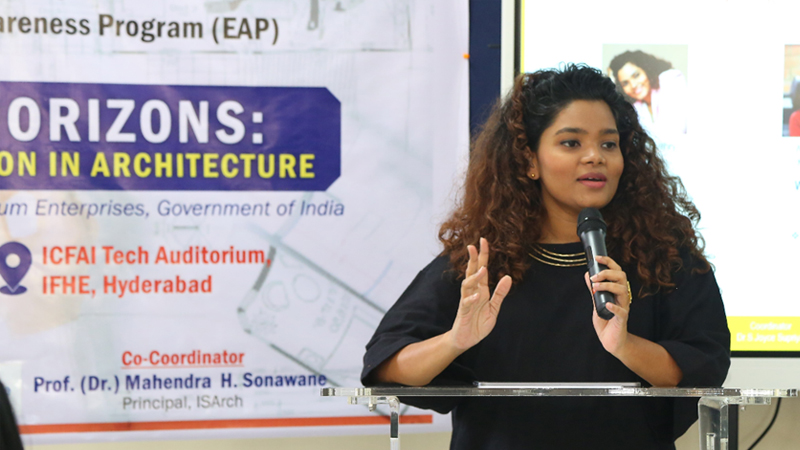
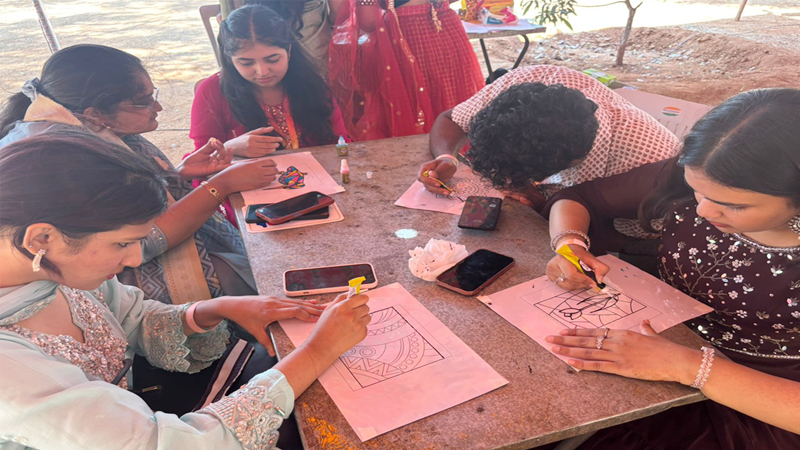
From the environment, from peers, from doing and from observation. From a carpenter, a mason, an accountant, a lawyer. The final and most essential skill an architect must develop is the ability to learn from anything — and from anyone.
10 Master of some
Architecture is broad and its subsets are many. Every student's journey through this program is unique. ISArch aims to help each person discover their own path — honing their particular strengths and using them to offset their weaknesses. A jack of all trades, yes — but inspired to master at least one.
"Architectural design is ultimately a product of deliberation — of careful questions, disciplined thinking, and the courage to not always be right."